
1.19.2026
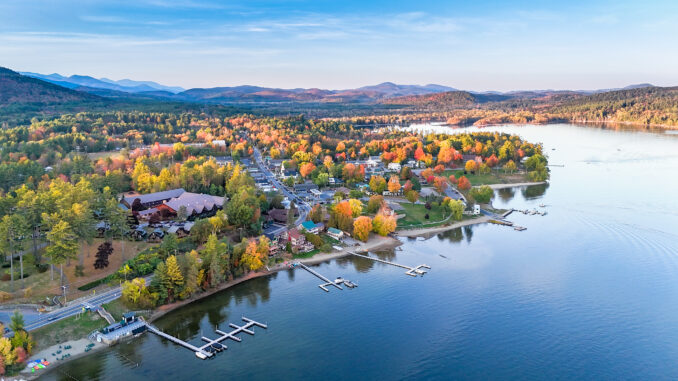
Nestled in the heart of the Adirondack Mountains, Schroon Lake represents a compelling example of how leisure destinations are evolving to meet the expectations of modern travelers. For lodging operators, property managers, and hospitality investors, the region offers a clear illustration of how accommodation strategy, asset positioning, and guest experience design can directly influence occupancy, revenue performance, and long-term property value. Whether serving seasonal vacationers, extended-stay guests, or remote professionals seeking nature-based escapes, the ability to align accommodation offerings with traveler demand is critical to maximizing performance in markets like Schroon Lake.
Understanding Accommodation Segmentation and Positioning
Schroon Lake’s lodging ecosystem includes a diverse mix of asset types, including lakefront vacation rentals, boutique inns, independent hotels, bed-and-breakfast properties, and seasonal resorts. Each category serves a distinct segment, from families and multi-generational travelers to couples, outdoor enthusiasts, and increasingly, remote workers extending leisure stays.
When evaluating potential Schroon Lake rentals, certain features can significantly enhance the guest stay. Vacation rentals and cottages provide flexibility, privacy, and kitchen access, making them especially attractive for longer stays and higher-value guest segments. Traditional hotels and inns, by contrast, offer operational consistency, standardized service delivery, and opportunities for ancillary revenue through food and beverage, equipment rentals, and guest services. Campgrounds and RV parks appeal to budget-conscious and experience-focused travelers, illustrating how diversified accommodation supply helps expand total addressable demand.
For operators, the key takeaway is clear: aligning property positioning with target guest segments allows for more effective pricing strategies, stronger occupancy during peak periods, and improved overall yield.
Seasonality, Demand Cycles, and Revenue Optimization
Schroon Lake’s demand patterns reflect broader trends seen across seasonal resort markets. Summer remains the peak revenue period, driven by family vacations, outdoor recreation, and lake-based activities. During July and August, occupancy rates typically approach full capacity, enabling operators to implement premium pricing strategies and minimum-stay requirements to maximize revenue per available room or unit.
Fall foliage season, spanning late September through mid-October, represents a second high-demand window. Travelers seeking scenic experiences and regional tourism drive strong occupancy levels, often at ADRs comparable to summer peaks.
Winter and spring, while traditionally softer periods, increasingly present opportunities for revenue diversification. Operators who successfully target niche segments such as winter sports enthusiasts, remote workers, and extended-stay guests can smooth seasonal volatility and improve annual revenue stability.
Strategic Location and Asset Value Differentiation
Property location remains one of the strongest determinants of both guest satisfaction and asset performance. Lakefront accommodations command premium rates due to direct access, unobstructed views, and experiential value. These properties often generate higher ADR and stronger repeat visitation, particularly among affluent leisure travelers.
Properties located within Schroon Lake village benefit from walkability and proximity to restaurants, retail, and local attractions. This positioning appeals to guests seeking convenience and reduced reliance on vehicles, a growing preference among certain traveler segments.
Meanwhile, properties located along major access routes offer broader accessibility and appeal to travelers seeking convenience, regional exploration, or value-oriented accommodations. Each location type supports different pricing tiers and guest profiles, underscoring the importance of aligning asset positioning with target demand segments.
Amenities and Infrastructure as Competitive Differentiators
In competitive leisure markets, amenities play an increasingly important role in influencing booking decisions and pricing power. Climate control systems, reliable high-speed internet, and modern kitchen facilities have transitioned from optional features to essential infrastructure, particularly as remote work continues to influence travel behavior.
Water access, equipment availability, and experiential amenities such as docks, kayaks, and outdoor recreation access significantly enhance perceived value and allow operators to justify premium pricing. Connectivity infrastructure, including dependable Wi-Fi, has become especially critical as more travelers blend work and leisure, extending average length of stay.
Operators who invest in amenities aligned with evolving guest expectations are better positioned to capture higher-value bookings and maintain competitive advantage.
Distribution Strategy and Booking Channel Management
Accommodation providers in Schroon Lake leverage a mix of online travel agencies, vacation rental platforms, and direct booking channels. Third-party platforms provide broad distribution reach and demand generation but introduce commission costs that impact net revenue.
Direct booking channels, including property websites and local management companies, allow operators to retain greater revenue while strengthening brand relationships with guests. Increasingly, operators are investing in digital infrastructure, booking technology, and marketing capabilities to reduce reliance on intermediaries and improve direct conversion rates.
A balanced channel strategy that optimizes both visibility and profitability is essential to long-term financial performance.
Operational Considerations and Revenue Forecasting
Accommodation pricing in Schroon Lake varies significantly based on seasonality, asset type, and location. Premium lakefront homes and high-end vacation properties can generate substantial weekly revenue during peak periods, while off-season pricing strategies help maintain baseline occupancy.
Operators must also account for operational costs, including cleaning, maintenance, utilities, and property management fees. Transparent pricing structures and efficient operational workflows help protect margins while maintaining guest satisfaction.
Understanding demand cycles, managing operational costs, and aligning pricing strategies with market conditions are essential components of successful property management in seasonal leisure markets.
Strategic Implications for Hospitality Operators
Schroon Lake illustrates how natural destinations continue to attract strong leisure demand, while evolving traveler expectations create new opportunities for lodging providers. Operators who invest in modern infrastructure, optimize distribution channels, and align property positioning with high-value guest segments can drive stronger financial performance and long-term asset appreciation.
As travel behavior continues to evolve, particularly with the growth of remote work and experience-driven travel, markets like Schroon Lake demonstrate the importance of strategic accommodation planning. For hospitality operators, the ability to align property capabilities with demand trends will remain a key driver of competitiveness and sustained growth.