
By Steve Coleman, HTN Guest Contributor - 8.8.2026
Hotel guests increasingly carry cards, phones, and electronic wallets instead of loose currency. That habit is changing how appreciation reaches room attendants, bell staff, drivers, and other service workers. Cash remains familiar, but it can be forgotten, misplaced, or unavailable at the right moment. Properties are adopting electronic gratuity options that fit current payment behavior. These systems give visitors a simple way to recognize attentive service while improving payment records and staff access to earned tips.
Cash No Longer Fits Every Stay
Cash gratuities depend on visitors carrying suitable notes, having spare change, and remembering to leave payment before departure. Many travelers now complete ordinary purchases through contactless methods. A cash-only process can therefore exclude generous guests, even after excellent assistance.
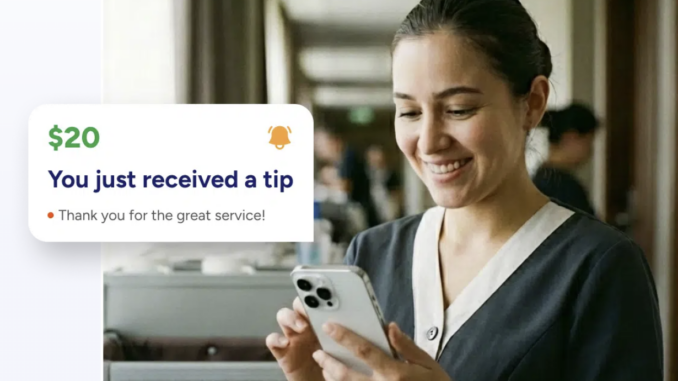
For that reason, digital tipping software gives travelers another practical route. Visitors can scan a code, tap a device, or use a mobile prompt without searching for currency. The method supports quick recognition for room cleaning, luggage handling, valet support, and other services. It also creates a clearer record than loose bills.
Hotels must also count, store, reconcile, and distribute physical money. Those duties consume managerial time and create opportunities for errors. Electronic gratuities reduce these weak points while matching the payment habits many guests already use.
Guests Expect Card-Based Choices
Travelers commonly pay for accommodation, dining, transport, and retail purchases with cards. A cash-only gratuity request interrupts that established routine. Guests may intend to reward a helpful employee, then leave without locating an ATM or suitable banknote.
A visible electronic option removes that friction. Clear prompts placed near elevators, receipts, rooms, and reception areas remind visitors without pressuring them. The result is a payment experience that feels consistent with other hotel transactions.
Housekeeping Receives Greater Recognition
Room attendants often work before guests wake and after visitors leave. Their contribution can remain unseen, despite its direct effect on comfort, hygiene, and satisfaction. Cash left in a room may be missed during hurried departures or mistaken for abandoned property.
An electronic gratuity channel connects appreciation with the correct department. Guests can respond after noticing fresh linens, careful organization, stocked supplies, or thoughtful preparation. That connection gives housekeeping a fairer opportunity to receive recognition.
Employees Gain More Earning Access
A broader payment route can include front desk agents, shuttle drivers, maintenance personnel, breakfast attendants, and concierge teams. Hotels may establish individual awards, shared pools, departmental allocations, or shift-based rules.
Clear distribution policies matter. Workers should know who qualifies, how amounts are calculated, and when funds arrive. Transparent tipping reduces suspicion and supports trust across departments.
Managers Cut Administrative Burden
Manual gratuity handling often involves spreadsheets, envelopes, cash counts, approvals, and corrections. Each step creates another chance for an incorrect total or delayed payment. Those hours could support coaching, staffing, or direct guest care.
Automated records organize transactions and apply agreed distribution rules. Payroll personnel receive cleaner information, while supervisors spend less time reconciling separate notes. Reduced handling also limits disputes caused by incomplete documentation.
Live Reports Improve Oversight
Managers need timely evidence showing which departments receive gratuities and where participation remains limited. Reports can compare roles, shifts, locations, and service periods without relying on memory.
Such patterns may reveal strong appreciation for evening valet assistance or low recognition for a particular guest service area. Leaders can then examine staffing, communication, training, or placement of payment prompts. Reliable evidence supports focused operational decisions.
Integration Keeps Records Aligned
Hotels rely on property management, payroll, point-of-sale, scheduling, and workforce systems. Disconnected records create duplicate entry, delayed updates, and mismatched totals.
An integrated gratuity process can transfer approved details between relevant platforms. Managers can confirm worker eligibility, organize payouts, and retain accurate documentation. Integration also limits disruption because properties can add electronic recognition without replacing established hotel technology.
Security Protects Every Transaction
Guests need confidence before entering payment details. Hotels must protect personal information, transaction histories, and employee payout records. Reputable providers use encryption, access controls, authentication measures, and recognized payment safeguards.
Visible receipts help users confirm the amount and destination of each gratuity. Internal permissions should limit access to sensitive records to authorized personnel. These controls protect trust and reduce exposure to preventable data incidents.
Better Service Can Follow Better Rewards
Electronic gratuities do not replace fair wages, adequate staffing, training, or effective supervision. They can provide an additional reward when visitors value attentive performance.
Employees may feel greater connection between effort and guest recognition. Managers can compare gratuity activity with reviews, comments, and service audits. Used carefully, that information can identify strong performance and guide coaching.
Conclusion
Cash tipping is losing ground in hotels because it no longer matches how most guests pay for everyday services. Electronic gratuities offer convenient recognition while expanding access for employees whose work may occur outside direct guest view. Properties can also reduce counting duties, strengthen records, protect transactions, and identify service patterns through reporting. For hotel leaders focused on fair recognition and efficient administration, electronic tipping provides a practical replacement for coins and bills.