
By Lea Mira, RTN staff writer - 10.19.2026
Booking Holdings has launched Vayo, a personal AI travel service, with plans to invest $100 million in the business. The Seattle-based company opened a waitlist for its free, invite-only private beta on October 14. The planned investment is subject to continued product development and market conditions.
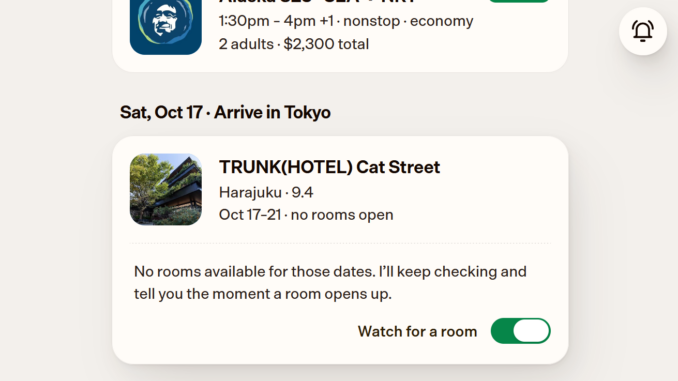
Vayo starts with travel confirmations in a user’s inbox, bringing existing reservations into one itinerary and suggesting ways to fill gaps in the trip. Its website describes a service that watches for price reductions and newly available reservations, with the traveler retaining approval over actions taken on their behalf.
For hotel operators, the significance lies in Vayo’s potential to influence guest decisions after a reservation has been made. A service that helps travelers manage an entire trip could become the place they turn to compare alternatives, respond to disruptions and plan their next stay.
Vayo’s launch announcement says the service works with reservations made through Booking Holdings brands, other travel platforms and directly with hotels and airlines. The company initially targets frequent travelers and plans to add direct booking, a native app and collaborative trip planning in the months ahead. Its ability to recognize connections between reservations could help identify when a flight change affects a hotel arrival or dinner booking.
Those plans should be distinguished from capabilities already available during the beta. Vayo’s terms of use authorize monitoring for savings and better stay opportunities, but specify that it will not cancel or rebook a reservation without explicit approval. Hotels should therefore assess the service as an emerging distribution and trip management channel, with its broader booking functionality still developing.
The competitive field already includes established itinerary tools. TripIt organizes travel plans from forwarded confirmation emails regardless of where the traveler booked, while TripIt Pro provides flight alerts. Vayo will need to demonstrate value beyond collecting reservations in one place. Its opportunity is to make the information useful through timely recommendations and actions that save travelers work.
Google presents a substantial challenge closer to the beginning of the booking journey. In August, Google announced hotel booking within AI Mode in Search, beginning a U.S. rollout with hotel groups and online travel agencies, including Booking.com and Expedia. The experience allows travelers to choose a room, review cancellation terms and pay through Google Pay. The hotel or booking platform remains the merchant of record and handles customer service.
This gives Google a way to remain involved as travelers move from discovery to purchase. Vayo’s focus on existing reservations offers another possible route to the customer: becoming useful after someone has booked part of a trip, then influencing the purchases that remain. Booking Holdings’ participation in Google’s rollout also shows how travel companies can cooperate on transactions while competing to become the traveler’s preferred service.
Expedia is pursuing AI-assisted discovery through its Trip Matching feature, which turns Instagram travel Reels into destination recommendations and itineraries with links to book through Expedia. That approach connects travel inspiration with shopping. Vayo begins with a more concrete signal of intent: a reservation the traveler has already made. Both approaches could affect which hotels enter consideration and where the traveler ultimately books.
Hotel brands are developing their own responses. IHG launched a U.S. beta of conversational search on its website and IHG One Rewards app in July. The functionality draws on verified property information and guest reviews to support recommendations, availability and pricing. Such tools can make a brand’s direct channels more useful, although they face a different challenge from a service designed to organize a trip across multiple suppliers.
For a hotel brand, keeping travelers within its own booking experience can support loyalty and direct sales. A traveler managing several destinations, airlines and accommodation providers may nevertheless find a broader assistant more convenient. Vayo’s success will depend partly on whether it can earn that role without requiring users to change where they prefer to book.
The company says it will direct travelers to a hotel’s own website or another platform when that is where the appropriate option is available. That position could create opportunities for hotels to receive direct reservations. It also complicates the familiar distinction between direct and intermediary bookings. A guest might complete the purchase on a hotel’s website while relying on an outside assistant to select the property and manage the rest of the trip.
Hotels could consequently retain the transaction while having fewer opportunities to influence the guest’s subsequent decisions. This makes the quality of the hotel’s own communications and service more important. Clear arrival information, useful recommendations and responsive support give guests practical reasons to maintain contact with the property, even when an assistant organizes their itinerary.
Price monitoring could also change how revenue managers think about reservations already on the books. If assistants make it easier to spot lower eligible rates, guests may reconsider refundable bookings more frequently. The effect would depend on adoption, cancellation policies and whether competing offers include comparable rooms and benefits. A cheaper rate may exclude breakfast or require prepayment, and a replacement booking could affect loyalty benefits or room preferences.
Accurate product information will matter as these comparisons become easier to automate. Hotels need consistent descriptions of room types, inclusions and cancellation deadlines across their booking systems and distribution partners. An assistant that cannot distinguish between materially different offers may recommend a change that disappoints the guest or creates extra work for the property.
Distribution teams will also need to evaluate the economics as booking capabilities develop. Referral volume alone would offer an incomplete picture. Net revenue after acquisition costs, cancellations and replacement reservations would provide a better basis for judging performance, alongside whether referred guests subsequently book directly. Any commercial arrangements that influence recommendations would also matter when assessing the value of participation.
The operational implications extend beyond shopping. An assistant that recognizes a delayed flight could help a traveler notify the hotel of a late arrival. Making that useful requires a reliable way to identify the reservation, communicate with the property and confirm that a change has been accepted. Hotel teams will need to know when an assistant has simply suggested an action and when it has completed one with the guest’s permission.
Vayo gives Booking Holdings another way to pursue a continuing role in travelers’ decisions, including trips purchased outside its own platforms. For hotels, the opportunity is additional demand and potentially better coordination before arrival. The commercial test will be whether those benefits translate into profitable reservations and lasting guest relationships as travelers delegate more of their planning to an outside service.