
by Lea Mira, HTN staff writer - 11.11.2026
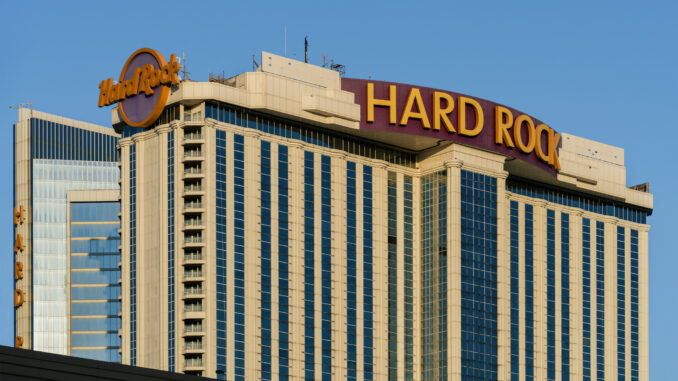
Hard Rock International has signed a deal with Accor that would let its hotels sell rooms through ALL Accor, a booking and loyalty platform with more than 125 million members across 110 countries. After the deal closes, properties across the Hard Rock portfolio, including Reverb by Hard Rock and Hard Rock Hotels & Casinos, can choose to join Accor’s sales and distribution network. Hard Rock will keep its own booking channels open, so hotels that opt in will have to manage reservations from both companies.
Accor already lists the 446-room Hard Rock Hotel New York as a partner and takes reservations for it. The November 9 announcement also calls for members of ALL Accor and Unity by Hard Rock to be able to convert points and match status. The companies have yet to publish a closing date, financial terms, a points conversion rate or the rules for matching tiers. Ennismore, Accor’s lifestyle hospitality group, will work with Accor’s development team to grow Hard Rock’s hotel portfolio across Europe, the Middle East, Asia and the Pacific.
If a guest moves an Accor booking from Tuesday to Friday, the Hard Rock front desk needs to see the new dates under the original reservation. The hotel also needs to put Tuesday’s room back on sale and make sure Friday’s availability reflects the change. The reservation in the property management system should show where the guest booked, what rate they agreed to and who can issue a refund. The companies have yet to say which systems will handle those exchanges across participating hotels.
A guest might book through Accor and show a Unity card at check-in. The front desk needs to see which account is attached to the reservation, whether the guest has a matched tier and what that tier entitles them to at the hotel. That information should travel with the booking so the employee checking in a guest can answer a question about an upgrade without asking the guest to call either loyalty program. If points go missing after checkout, a shared reservation reference would let support staff pull up the original booking, check which charges qualified and see where the credit was posted.
ALL Accor’s current terms allow members to use 2,000 Reward points for a discount equivalent to about $45 on eligible web and app bookings. That figure uses the European Central Bank’s November 9 reference rate. Accor uses its own exchange rate to calculate the actual dollar discount. Under Unity’s current rules, 100 points generally cover $1 in qualifying purchases at participating venues.
Suppose a guest applies $50 in rewards to a $250 room and pays the remaining $200. The hotel needs a record of what the loyalty program owes it and when that payment is due. If the guest cancels a refundable booking, the systems have to track the cash refund, the return of the points and any adjustment to the hotel’s reimbursement. For points transferred from the other program, the guest also needs to know which balance to check after the refund.
Eligible members of Marriott Bonvoy and MGM Rewards can transfer points in either direction, receiving eight for every ten they send. The minimum is 1,000 points per transfer, with a 30,000-point limit in each direction per calendar year. Status matching runs from MGM Rewards into Marriott Bonvoy for eligible members who link their accounts. A booking or loyalty system has to handle those two privileges separately because a member who can move points may be ineligible for a matched tier.
World of Hyatt’s agreement with The Venetian Resort Las Vegas ties rewards to where the guest books. Members can earn and redeem points on qualifying stays at The Venetian and The Palazzo when they book through Hyatt. The resort offers additional benefits to elite members, and certain restaurant and retail purchases can earn points when charged to the room. The booking source and the charges recorded on the guest’s bill can both determine what the guest earns.
An Accor member who discovers a Hard Rock hotel on ALL Accor might fill a room that would have gone empty. If a repeat guest switches from Hard Rock’s site to Accor’s, the hotel may pay a different price to acquire a booking it would have received anyway. And if the guest would otherwise have booked through an online travel agency, the hotel can come out ahead if the Accor booking costs less to acquire.
A hotel can start to tell those bookings apart by keeping the original channel on the reservation after a date change, then matching it to the completed stay and the revenue the property received. The owner can compare room nights and net room revenue across channels on dates with similar demand, accounting for distribution fees, member discounts and loyalty reimbursements. A discounted booking on a quiet Sunday may be worth more to the hotel than the same booking on a Saturday that typically sells out. For a Hard Rock opening in a market where it has little direct demand, Accor could help fill rooms from day one. For an established hotel, the numbers will show whether the new channel brings in guests on nights the property’s own site leaves rooms empty.