
by Dustin Stone, HTN staff writer - 11.11.2026
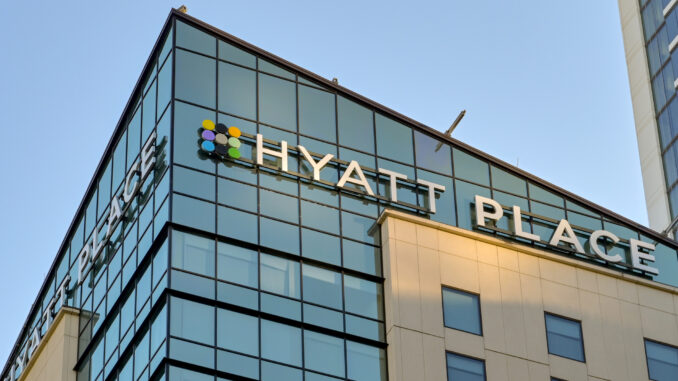
Hyatt Hotels Corporation has combined its digital and technology teams under Danny Miles, the former chief technology officer at Under Armour. In announcing his appointment as chief digital and information officer on November 9, Hyatt said its personalization tools had generated more than $100 million in incremental booking revenue for its hotels. Miles reports to Chief Commercial Officer Mark Vondrasek and will oversee digital products, hotel and enterprise systems, data, AI and cybersecurity. Hyatt’s announcement
At Under Armour, Miles worked across e-commerce, mobile apps, loyalty and order management. That experience carries over to a hotel stay that starts online and ends with a conversation at the front desk. A guest may book on Hyatt’s website, apply a loyalty benefit and later ask a hotel employee to change the reservation. The employee needs to see what the guest booked and what Hyatt promised online.
Hyatt had already begun replacing several of the systems involved. At its May investor day, the company said it had replaced its in-house revenue management system with IDeaS and was moving central reservations to Sabre SynXis and property management to Oracle OPERA Cloud. Executives also described Hotel Heartbeat, an internal tool that draws on more than 70 data points to suggest actions to hotel managers. One example flagged a hotel with high occupancy and relatively low rates and suggested reviewing negotiated corporate pricing. Managers can tell Hyatt why a recommendation does or doesn’t make sense at their property.
The investor presentation also showed how a traveler could use Hyatt’s search to find hotels in Cancún with a spa and rooms available for fewer than 30,000 points a night. Hyatt reported a 23% lift in conversion for that search feature and said about 70% of its room nights were booked through direct channels. The November announcement leaves open how long it took to generate the $100 million-plus in additional booking revenue, which tools contributed and how Hyatt calculated the increase.
IHG is making a similar push at the point of booking. It introduced conversational search in a U.S. beta and uses its reservations system to sell room features such as a better view or a larger room. In its 2025 results, IHG said that when guests accepted those offers, the average nightly increase in room revenue approached $50 at its Luxury & Lifestyle brands and $20 at its Essentials and Suites brands. IHG’s figures describe what an accepted offer added to the nightly rate. Hyatt reported an aggregate figure across its personalization tools.
Marriott and Hilton are using their apps to give loyalty members more control after booking. Marriott is testing a Bonvoy waitlist that lets eligible members see where they stand for a complimentary room upgrade before arrival. At participating U.S. hotels, Hilton lets eligible Honors members use points to cover certain charges at digital checkout. Both features give guests another reason to open the brand’s app between making a reservation and heading home.
For hotel owners, the economics depend on where the gain comes from. A reservation that moves from an online travel agency to Hyatt’s website can save a commission even if the hotel would have sold the room either way. Selling a suite upgrade can raise the value of the stay, though its value to the hotel depends in part on what the suite might have fetched later. Comparing guests who saw an offer with similar guests who didn’t, then following those bookings through checkout, would help owners estimate how many additional stays the offer generated and what it contributed after discounts and booking costs.
A resort with several room categories and a spa has plenty to offer during booking. An airport hotel might get more out of remembering that a repeat guest wants a room ready early. Hyatt can run both experiences on common technology, but owners will judge the investment by what guests actually book and what the hotel keeps after the stay.