
By Dustin Stone, HTN staff writer - 7.3.2026
Artificial intelligence has quickly become part of nearly every aspect of hotel operations, from reservations and revenue management to guest messaging, marketing and back-office automation. One area now beginning to attract attention is hotel development itself, where AI-powered planning tools are helping owners, architects and designers make faster, more informed decisions long before construction begins.
One of the newest entrants is TG Studio, an Israeli venture created by TG Group in partnership with 3D visualization specialist Treedis. The platform combines immersive visualization, product selection, budgeting and project planning to help hotel developers evaluate guestrooms and public spaces before they are physically built. Developed with an investment of approximately $1 million, the platform recently entered pilot deployments and is being used to support model room planning for several luxury hotel developments.
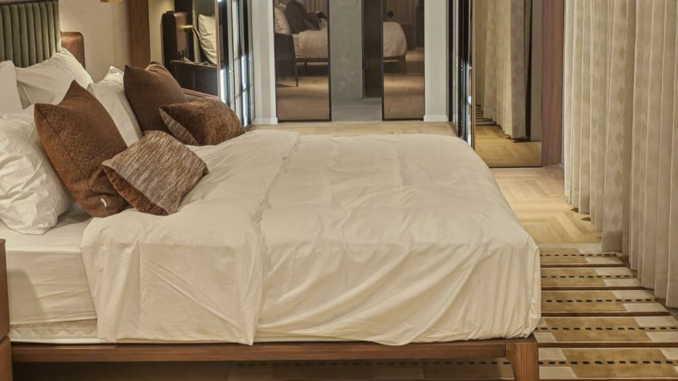
Constructing a physical mock-up guestroom has long been a standard step in hotel development. Owners, operators, architects, designers and brand representatives use these rooms to evaluate layouts, finishes, furnishings, lighting, technology and operational functionality before approving hundreds of guestrooms for construction. While valuable, the process is often lengthy and expensive. Design revisions frequently require rebuilding portions of the room, changing materials, replacing furniture and conducting multiple rounds of stakeholder reviews.
TG Studio’s platform is designed to move much of that work into a collaborative digital environment. Users begin by uploading architectural floor plans and design concepts. The platform then creates an interactive 3D model populated with thousands of hospitality products already contained within its database.
Nearly every room element can be modified in real time, including flooring, carpets, wall coverings, beds, lighting fixtures, bathroom accessories, millwork, artwork, coffee machines and complete furniture packages. Users can also evaluate rooms under different lighting conditions throughout the day while simultaneously viewing the budget implications of every design decision. According to the company, the platform automatically generates detailed specifications, bills of quantities and cost estimates alongside the visual presentation, helping development teams understand the financial impact of design choices much earlier in the planning process.
One of the platform’s distinguishing capabilities is its ability to connect visualization directly with procurement planning. Hotel development teams traditionally rely on multiple systems for architectural drawings, FF&E specifications, procurement schedules and project budgeting. By combining these activities into a single environment, owners gain earlier visibility into project costs while designers can compare materials, furnishings and finishes without waiting for revised estimates. That capability could prove particularly valuable as hotel developers continue managing higher construction costs, longer procurement cycles and increasing pressure to control capital expenditures.
Beyond guestrooms, the platform also supports planning for hotel lobbies, restaurants, lounges, meeting spaces, wellness facilities, pools and other public areas that often undergo numerous design revisions but rarely receive dedicated physical mock-ups.
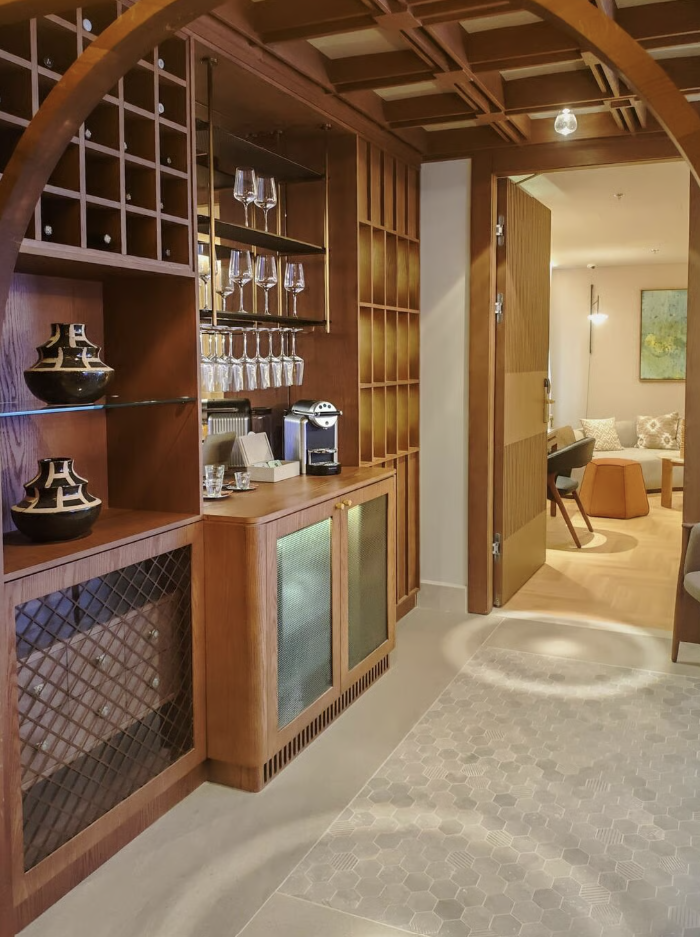
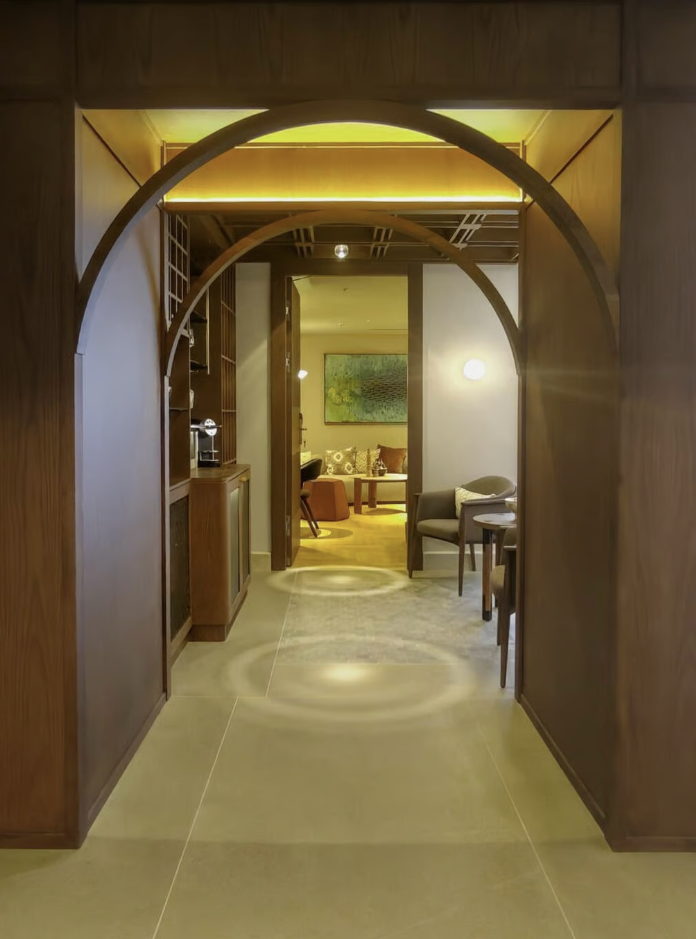
Rather than limiting the experience to a computer screen, TG Studio has created a dedicated demonstration environment inside its headquarters in Herzliya Pituach, Israel. Designed by architect Asheret Ozery as a luxury hotel suite, the space allows developers, architects and hotel executives to walk through digital room concepts while making live changes to finishes, furnishings and materials. The objective is to help project stakeholders evaluate design, operational and financial decisions together before construction begins. The demonstration suite also showcases products from numerous hospitality suppliers whose offerings have been incorporated into both the physical environment and the platform’s product database.
Digital visualization has become increasingly common during hotel development through building information modeling (BIM), architectural rendering platforms and digital twin technologies. Companies such as Matterport have expanded the use of immersive digital representations of physical spaces, while design firms routinely rely on platforms including Autodesk Revit, SketchUp and Twinmotion to visualize projects before construction.
TG Studio occupies a somewhat different position by combining visualization with hospitality-specific product catalogs, automated specifications, budgeting and procurement planning within a single workflow tailored to hotel development. Rather than replacing architects or interior designers, the platform is intended to help owners, designers and procurement teams evaluate options more efficiently, reduce revisions and reach consensus earlier in the development process. The company says hospitality is only the first market it intends to serve, with plans to expand the technology into additional sectors where design visualization, cost management and collaborative planning play significant roles.
Most hospitality AI investment today remains focused on improving the guest experience through personalized marketing, conversational booking, revenue optimization and operational automation. Development technology has received considerably less attention, despite the significant financial implications associated with delays, design revisions and cost overruns during construction. Every additional week in the planning process can increase financing, labor and opportunity costs, particularly for large hotel developments.
Physical mock-up guestrooms are unlikely to disappear entirely, particularly for luxury properties where ownership groups and brands often want to inspect finishes, furniture and operational details firsthand. Even so, platforms that allow stakeholders to resolve more design questions virtually before construction begins could significantly reduce the number of revisions required once physical mock-up rooms are built. As hotel companies continue searching for ways to accelerate development timelines while improving cost certainty, solutions that combine immersive visualization, AI-assisted planning and real-time financial analysis are likely to become increasingly important components of the hotel development technology stack.