
By Kate Fuller, Head of Marketing at IRIS - 8.26.2026
Think about the last time you stayed in a hotel. Did you flip through a printed compendium to find the Wi-Fi password? Did you walk back to the front desk to check the spa hours or ask how to book dinner? It is hardly an ideal experience, especially when guests have become accustomed to finding almost anything they need instantly on their phones.
Today’s travelers instinctively reach for their mobile devices. Whether they are ordering food, booking experiences, checking opening hours or looking up directions, they expect immediate digital access to information wherever they happen to be. Yet many hotels still rely on printed guest directories, outdated notices or calls to the front desk to answer basic questions.
That creates unnecessary friction for guests and an equally unnecessary burden for already stretched hotel teams. The modern guest directory has moved well beyond the in-room information folder and has become an important digital touchpoint throughout the guest journey.
IRIS, a global provider of digital food and beverage ordering and guest experience solutions for hotels, has seen digital directories increasingly used to help hotels improve guest satisfaction, generate additional revenue and operate more efficiently.
Why traditional guest directories no longer work
Paper guest directories served a useful purpose for decades, but they are increasingly out of step with the expectations of today’s mobile-first traveler. Information can quickly become outdated, reprinting is time-consuming and expensive, and offers or promotions cannot be changed in real time. Guests also need to be in their rooms to access the information, while staff continue spending valuable time answering routine questions that could easily be handled digitally.
Guests now expect immediate access to accurate information, personalized recommendations and the ability to act on what they find without taking additional steps. If information is difficult to locate or requires a phone call, many guests simply will not engage.
The guest directory becomes part of the guest experience
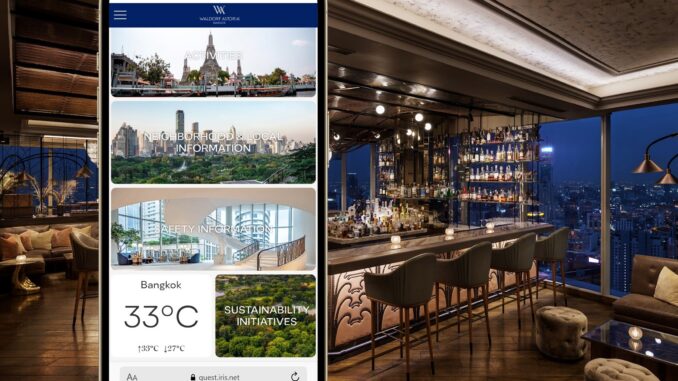
A digital guest directory transforms what was once a static information guide into an interactive service hub. Accessible through a simple QR code without requiring guests to download an app, it puts hotel information and services directly onto the device guests are already using.
The directory is no longer confined to the guest room. Whether guests are relaxing by the pool, sitting in the lobby, spending time at the beach or exploring the surrounding area, they can access hotel information whenever they need it and immediately act on what they find.
Order food and drinks whenever the moment feels right
Guests can browse digital menus and place orders whenever it suits them, whether that means breakfast in bed, lunch by the pool or beach, coffee in the lobby or evening room service. The experience can be designed around convenience rather than requiring guests to call an outlet, wait on hold or walk somewhere to place an order.
From their phones, guests can browse menus, customize orders, place them and pay. Making the ordering process easier improves convenience and can also remove some of the friction that might otherwise prevent a guest from making a purchase.
Help guests discover more of the destination
A hotel stay extends well beyond the guest room, and many travelers want help discovering the local area. A digital guest directory can also function as a concierge tool, giving hotels a convenient way to showcase local attractions, cultural experiences, family activities, restaurants and bars, shopping, tours and seasonal events.
Putting this information at guests’ fingertips can help them make more of their stay while positioning the hotel as a useful local resource. Hotels can also update recommendations whenever needed rather than relying on printed materials that may have been produced months earlier.
Promote offers at exactly the right time
Unlike printed directories, digital content can be updated immediately. Hotels can highlight seasonal dining promotions, spa packages, happy hours, entertainment and special events as they happen rather than waiting for new materials to be designed and printed.
This flexibility gives hotels more freedom to respond to changing demand. A restaurant can promote an evening special, a spa can highlight available appointments or a resort can feature an activity taking place later that day. Timely offers are more likely to be relevant to guests and can create additional opportunities for ancillary revenue throughout the stay.
Showcase everything the hotel has to offer
Many guests never discover all the services and facilities available to them during a stay. A digital directory gives hotels a central place to highlight resort maps, fitness classes, spa treatments, meeting and event facilities, concierge services, children’s activities, restaurant reservations, transportation services and other amenities.
Direct booking links can make these services easier to find and purchase. Rather than simply informing guests that an amenity exists, the directory can move them directly from discovery to booking, improving convenience while increasing the hotel’s revenue potential.
Essential information without the phone calls
Guests also need quick answers to everyday questions about Wi-Fi access, opening hours, hotel policies, housekeeping, concierge services, checkout procedures and other aspects of their stay. When that information is readily available on their phones, they do not have to call or wait at the front desk for simple answers.
This reduces unnecessary interruptions for hotel teams while giving guests faster access to the information they need. Employees can spend more time handling situations that genuinely require personal attention instead of repeatedly answering the same routine questions. That has become especially valuable as hotels continue to manage staffing pressures and look for ways to improve productivity without compromising service.
On-brand and easier to manage behind the scenes
Managing a printed guest directory can become an ongoing administrative task because menus, operating hours, policies, promotions and other information continually change. With a digital guest directory, updates can be made through a content management system and published immediately, helping hotels keep information accurate and current.
For hotel groups, the management benefits can be even greater. Content, branding and the overall user experience can be standardized across multiple properties while individual hotels retain the flexibility to showcase their own facilities, offers and local experiences. Guests receive a more consistent brand experience without every property having to present exactly the same content.
Turning information into revenue
Today’s guest directory can do considerably more than provide information. By making hotel services more visible and easier to purchase, it can also become an important commercial channel.
Room service, spa treatments, restaurant reservations, local experiences and seasonal promotions all become easier to discover and access. When guests encounter relevant information at the right moment and can book or order immediately, hotels have a better opportunity to convert interest into revenue while also making the experience more convenient for the guest.
The future of the guest directory
The guest directory has become an increasingly important digital touchpoint in the hotel journey. Instead of sitting in a folder on a bedside table, it can connect guests with dining, concierge services, local experiences, facilities, promotions and essential hotel information throughout their stay.
For guests, a digital directory provides the speed and convenience they already expect in other parts of their lives. For hotel teams, it can reduce repetitive inquiries, streamline day-to-day operations and ease pressure on staff. For operators, it creates additional opportunities to generate ancillary revenue while delivering a more consistent and branded experience.
Replacing an outdated paper directory with a mobile-first digital alternative is no longer simply a matter of modernizing the guest room. It gives hotels a practical way to improve service, make more of their existing amenities and create a smoother guest experience from arrival through departure.
 Kate Fuller is responsible for raising IRIS’s profile and generating demand for our first-class software solutions that are trusted by the leading luxury and chain hotels of the world. Prior to joining IRIS, a global market leader in digital F&B ordering, guest directory and concierge solutions for hotels, Kate worked for Guestline, a global PMS vendor, to market their range of solutions to independent hotels across Europe and Asia. With over 20 years of marketing experience and most latterly in the technology industry, Kate loves combining her IT marketing experience and passion for hospitality, developing content, creating campaigns, and working closely with hoteliers to help them maximize their revenue potential.
Are you an industry thought leader with a point of view on hotel technology that you would like to share with our readers? If so, we invite you to review our editorial guidelines and submit your article for publishing consideration.