
By Orit Naomi, HTN staff writer - 6.16.2026
RealTime Reservation has acquired STAY, a move that reflects the hospitality technology industry’s growing focus on connecting the many digital touchpoints that make up the modern guest journey. The deal brings together two companies focused on different stages of the guest experience, creating a combined platform that spans pre-arrival commerce, ancillary revenue management and in-stay guest engagement. Financial terms of the transaction were not disclosed.
 The acquisition creates a platform serving more than 2,000 hospitality properties across more than 75 countries and significantly expands RealTime Reservation’s international footprint. Backed by a strategic investment from Wavecrest Growth Partners, the combined company is positioning itself to capitalize on one of hospitality’s most important technology priorities: helping operators generate more revenue beyond the room while delivering a more seamless guest experience.
The acquisition comes as hotels continue searching for new revenue opportunities beyond traditional room sales. Ancillary revenue has become a growing priority across the industry as operators face rising labor costs, margin pressures and increasingly sophisticated guest expectations. Amenities, activities, spa services, dining experiences, transportation, cabana rentals, golf tee times and other on-property services have become important contributors to profitability, particularly among resorts and destination properties.
Historically, however, many hotels have struggled to merchandise and manage those experiences effectively. Reservation systems for activities and amenities often operate separately from guest communication platforms, mobile applications, property management systems and customer relationship management tools. That fragmentation can create operational inefficiencies while limiting a hotel’s ability to personalize guest interactions and maximize revenue opportunities.
The acquisition reflects a broader trend that Hotel Technology News has been tracking for several years: the convergence of guest engagement, mobile commerce, ancillary revenue management and operational technologies into more comprehensive hospitality platforms. Hotels increasingly want technology ecosystems that allow them to manage guest interactions before, during and after a stay while maintaining a unified view of guest preferences and behaviors.
The competitive landscape has become increasingly crowded as vendors seek to establish themselves as the primary platform for guest engagement. Companies such as Canary Technologies, Duve, IRIS, Shiji Group and INTELITY have expanded their offerings to encompass digital guest journeys, mobile ordering, contactless services and guest communications. Meanwhile, major property management system providers continue adding engagement and commerce capabilities through both product development and acquisitions.
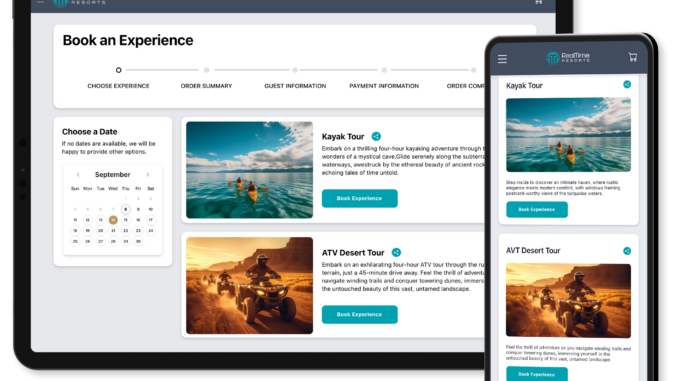
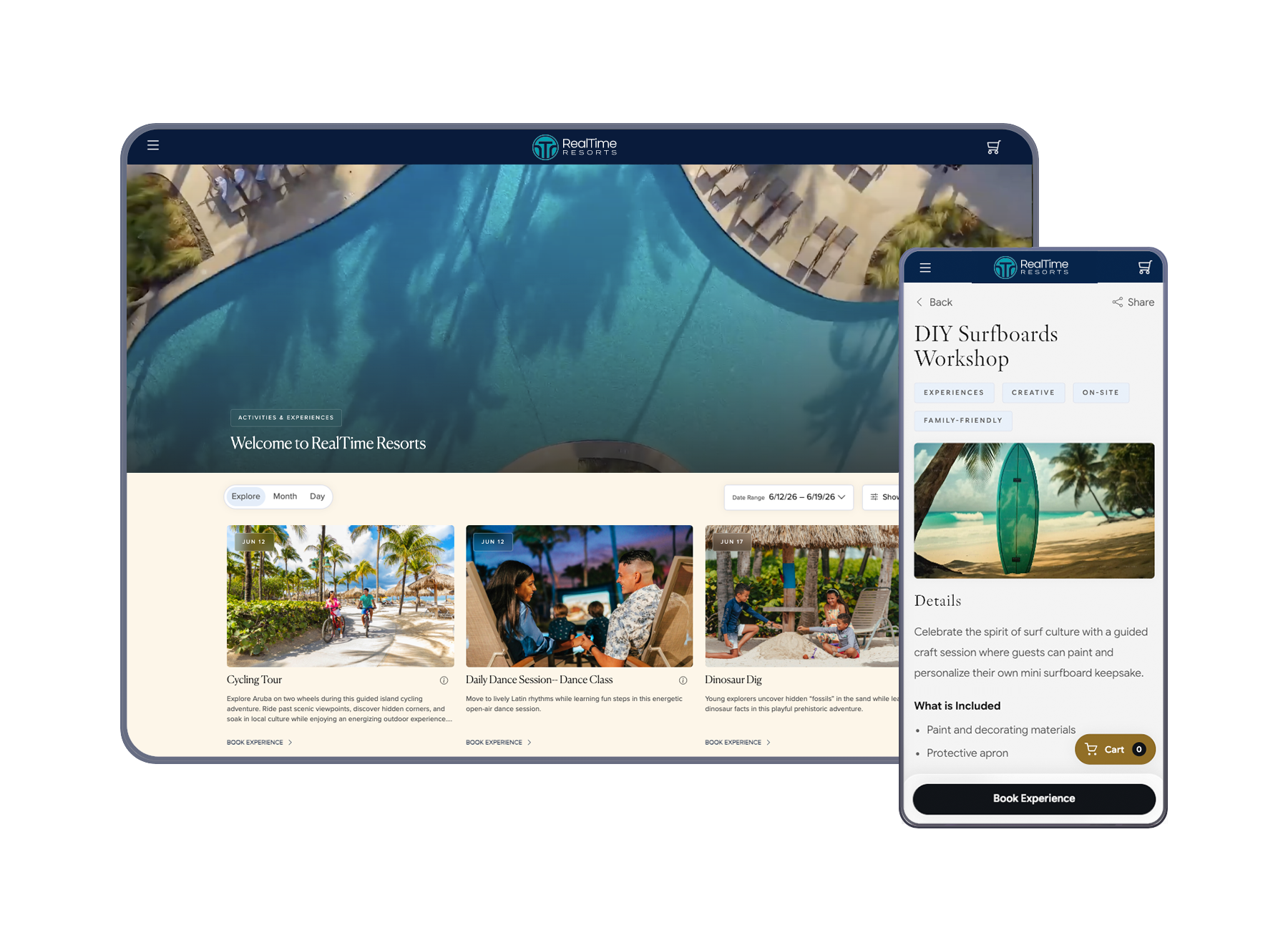
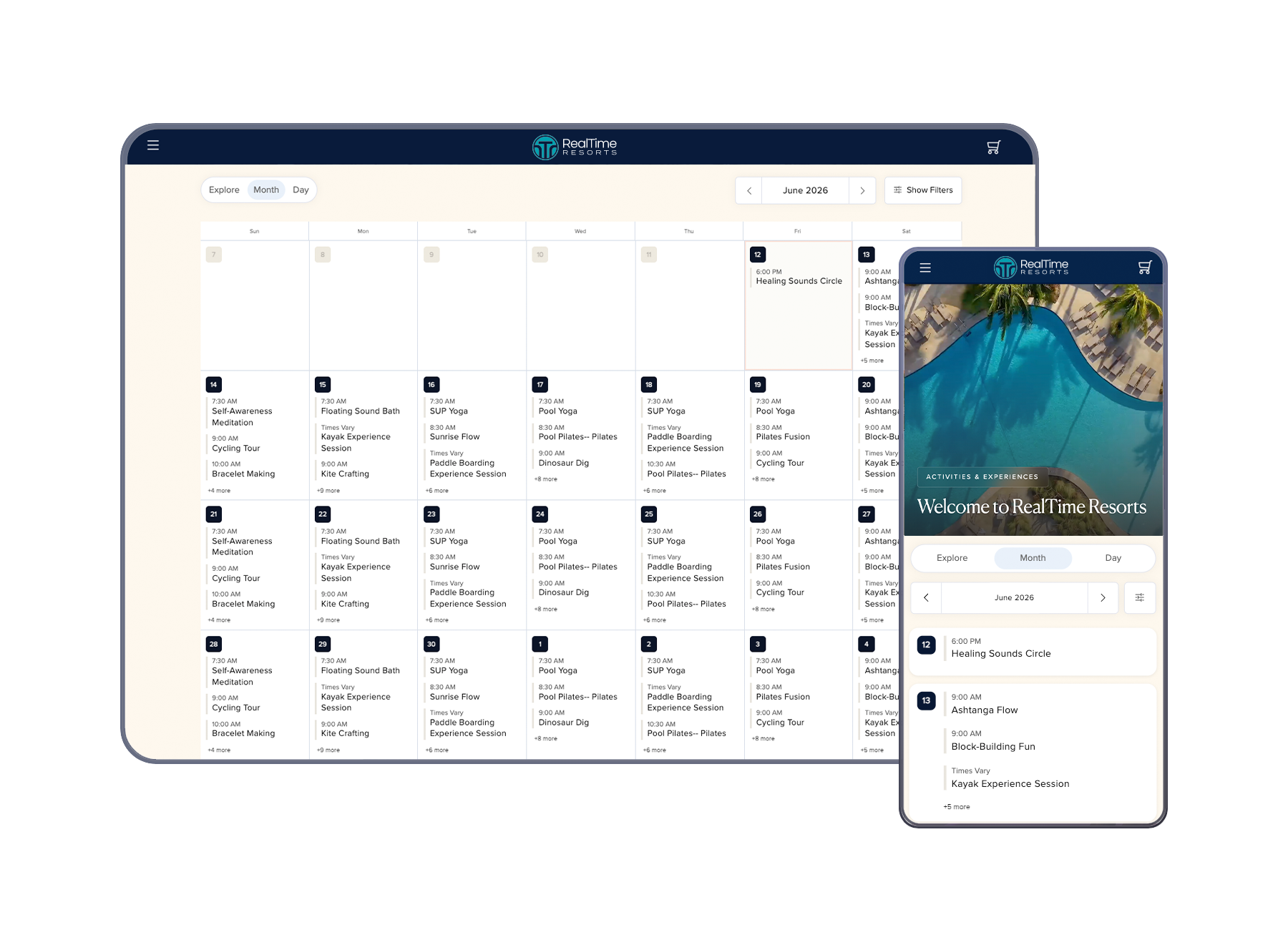
Against that backdrop, the combination of RealTime Reservation and STAY creates a platform that spans multiple stages of the guest lifecycle. RealTime Reservation has traditionally focused on helping hotels merchandise, sell and manage activities, amenities and experiences before arrival, while STAY has built its business around helping guests interact with properties during their stay through branded digital experiences.
The strategic value lies not simply in combining products but in creating a more continuous flow of guest data and engagement. A guest who books a spa treatment before arrival, orders room service during their stay, requests housekeeping services through a mobile device and books another activity before departure generates valuable behavioral data that can be used to personalize future interactions and increase lifetime guest value.
 Artificial intelligence is likely to play an increasingly important role in that process. As hospitality platforms accumulate larger volumes of guest preference, transaction and engagement data, opportunities emerge to automate recommendations, personalize offers and optimize ancillary revenue strategies. Investors have shown growing interest in companies that sit at the intersection of guest engagement, commerce and operational intelligence because of their potential to unlock new revenue streams while improving service delivery.
The transaction also highlights the growing importance of international scale within hospitality technology. While many vendors have achieved success in regional markets, global hotel brands increasingly seek technology partners capable of supporting properties across multiple geographies. The combined company’s presence across North America, Europe, Latin America and the Caribbean positions it to compete more effectively for enterprise hospitality accounts.
For hotel operators, the appeal of integrated guest experience platforms extends beyond revenue generation. Labor shortages continue to challenge many hospitality organizations, creating demand for technologies that allow guests to self-serve routine interactions while enabling staff to focus on higher-value service activities. Mobile ordering, digital service requests, automated communications and integrated activity booking systems can help reduce operational friction while meeting guest expectations for convenience and personalization.
The acquisition also reflects broader consolidation trends across hospitality technology. As hotel operators seek to simplify vendor relationships and reduce integration complexity, software providers are increasingly pursuing mergers, acquisitions and partnerships to deliver more comprehensive solutions. Investors have generally favored platforms capable of solving multiple operational challenges through a unified technology environment rather than narrowly focused point solutions.
While the hospitality industry has long discussed the concept of a connected guest journey, delivering that experience in practice has often proven elusive. Hotels have historically deployed separate systems for reservations, activities, guest messaging, food and beverage ordering, loyalty, CRM and service management. Bringing those capabilities together remains one of the industry’s largest technology opportunities.
Whether RealTime Reservation and STAY ultimately achieve that vision remains to be seen, but the acquisition signals where the market appears to be heading. As hotels continue searching for ways to increase ancillary revenue, improve guest satisfaction and streamline operations, demand is likely to grow for platforms that connect the entire guest journey rather than addressing isolated pieces of it.